We have to close the loop.
The loop is still wide open. Most of what we make is used once and thrown away.
Our product
TribographFree beta
We make your computer last longer.
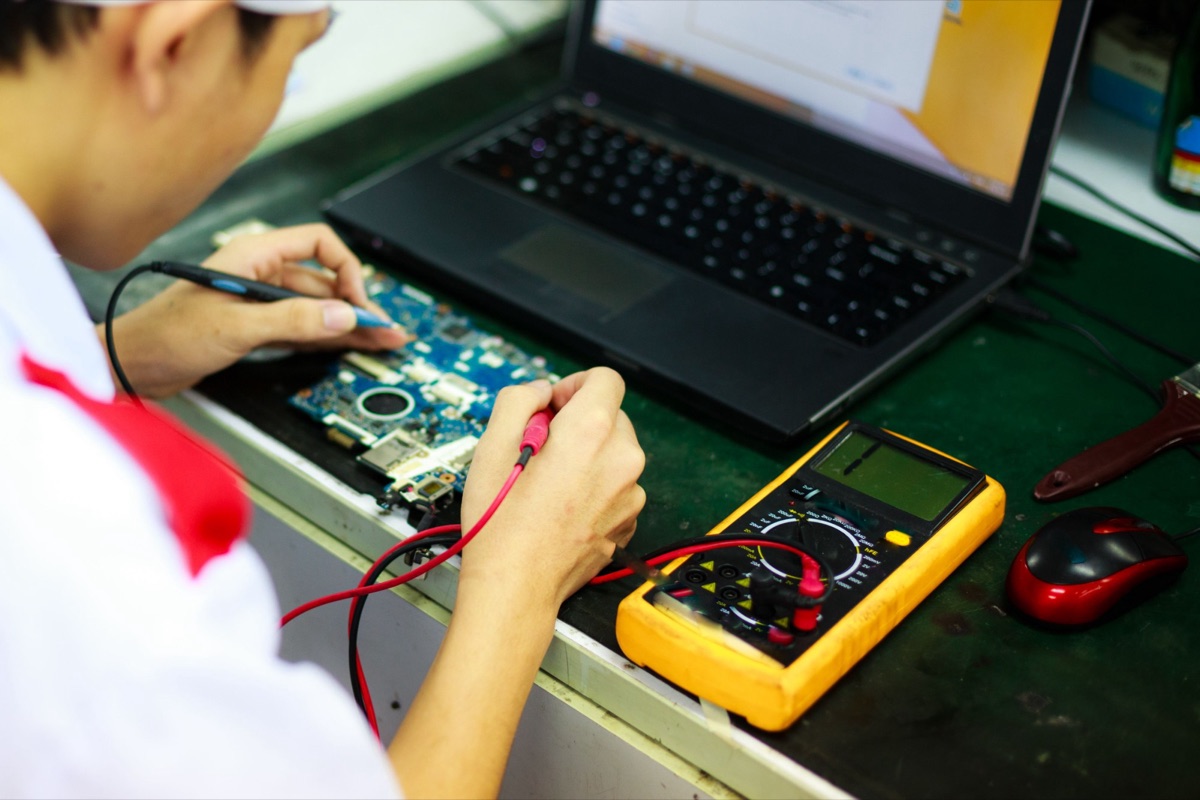
Tribograph is an instrument that records wear. It reads what your computer is quietly using up — the battery, the storage soldered to its board, the heat — and says in plain words what is wearing it out, how fast, and what to change first.
Ask for an invitationtribograph.com
- Free in beta
- macOS 11 or later
- Apple silicon and Intel
The silence
Computers measure their own wear constantly and keep the numbers to themselves. So the only signal anyone gets is a feeling — it is getting old — and a feeling is easy to sell against. The end arrives on somebody else’s schedule because nobody was ever shown it coming.
The instrument
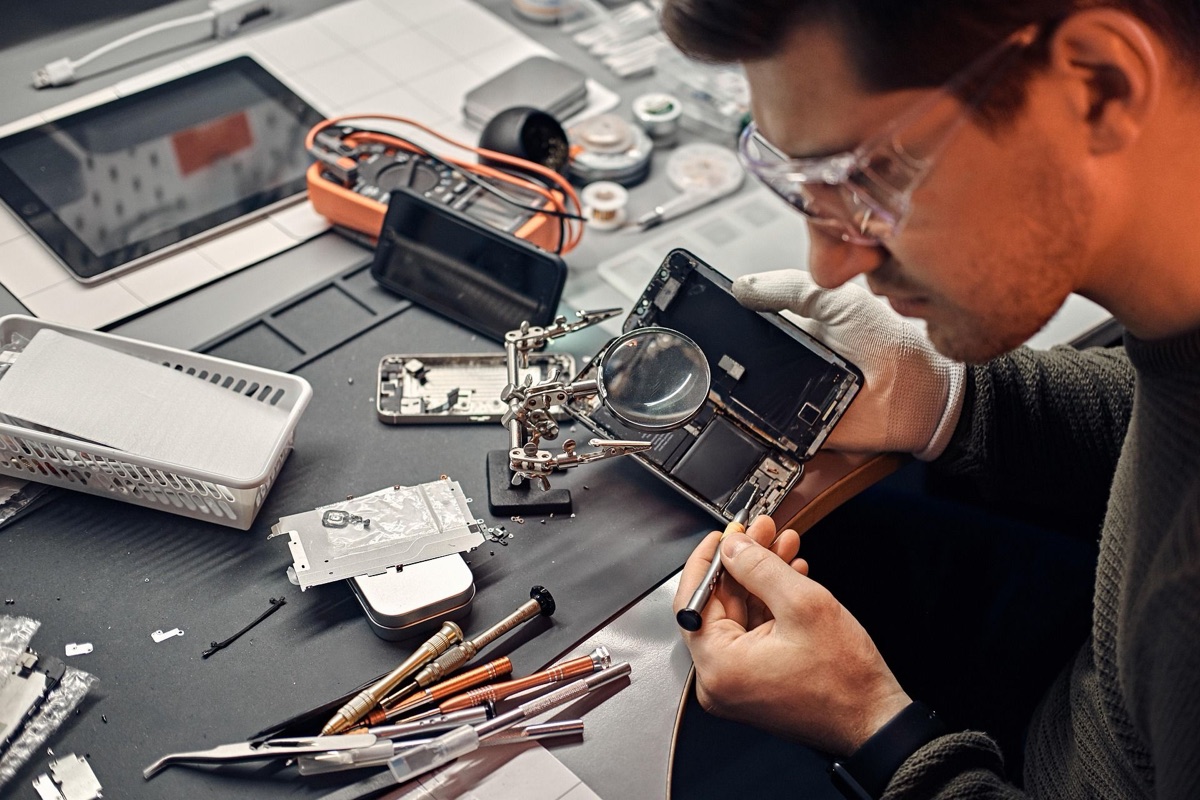
People have measured wear on bearings and sliding parts since the 1730s, because knowing what is wearing out is how you keep a machine running. Nobody ever did it for the computers we live in front of. Once you can see it, keeping one becomes a decision rather than hope, and replacing it becomes a choice you made rather than one made for you.
The scale
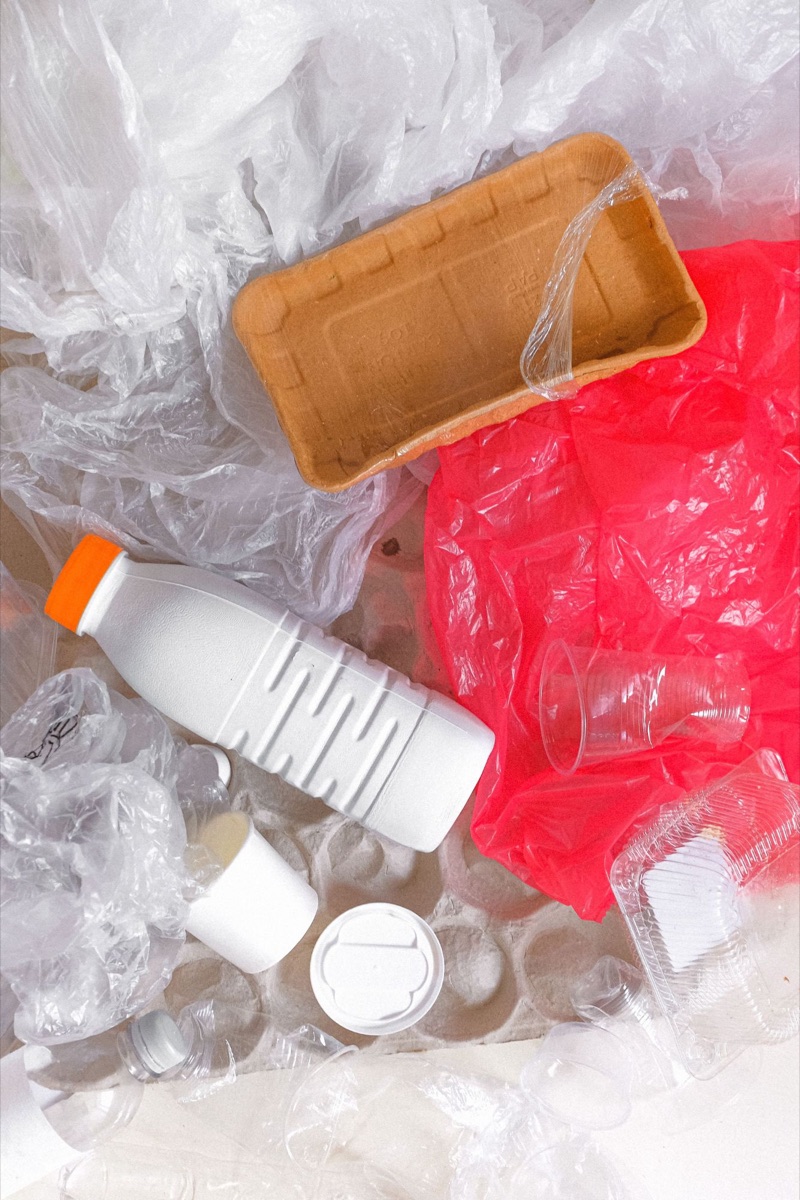
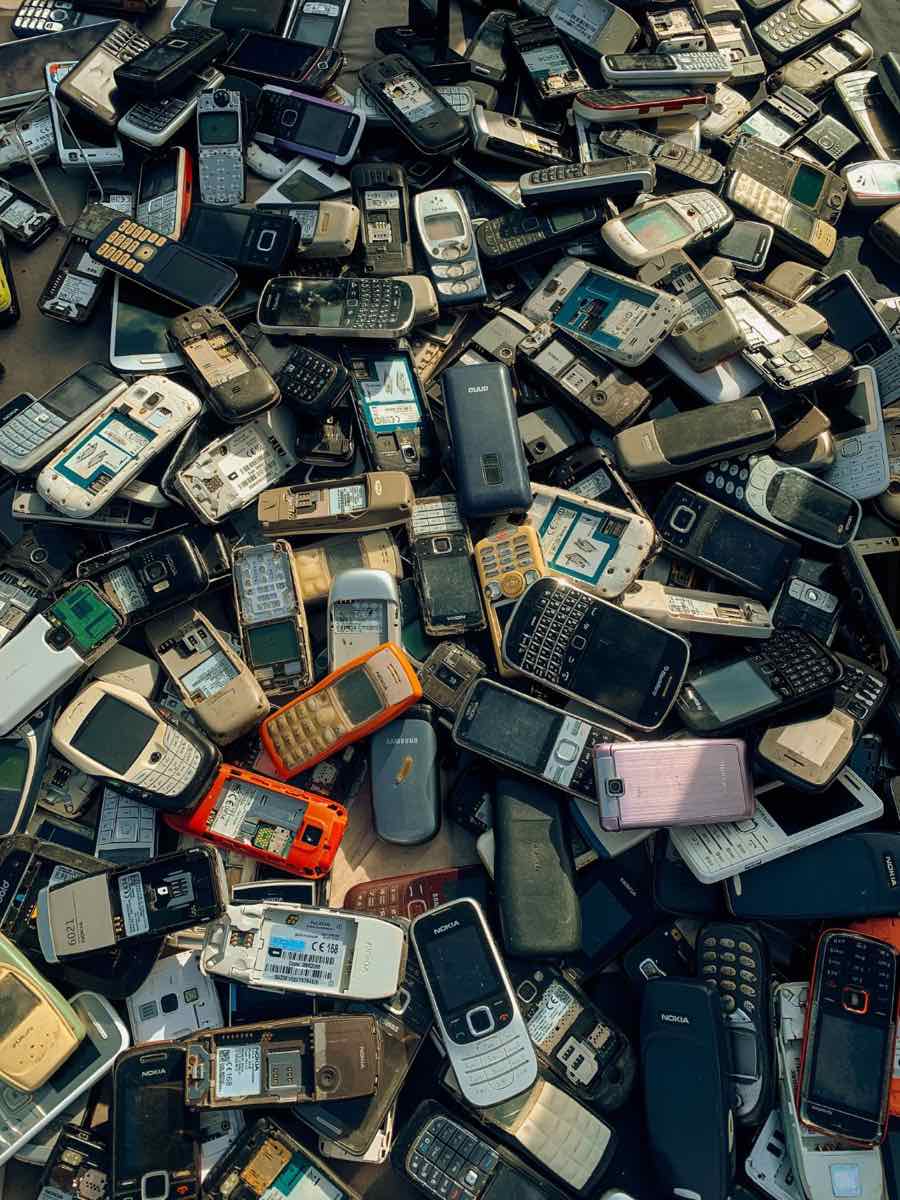
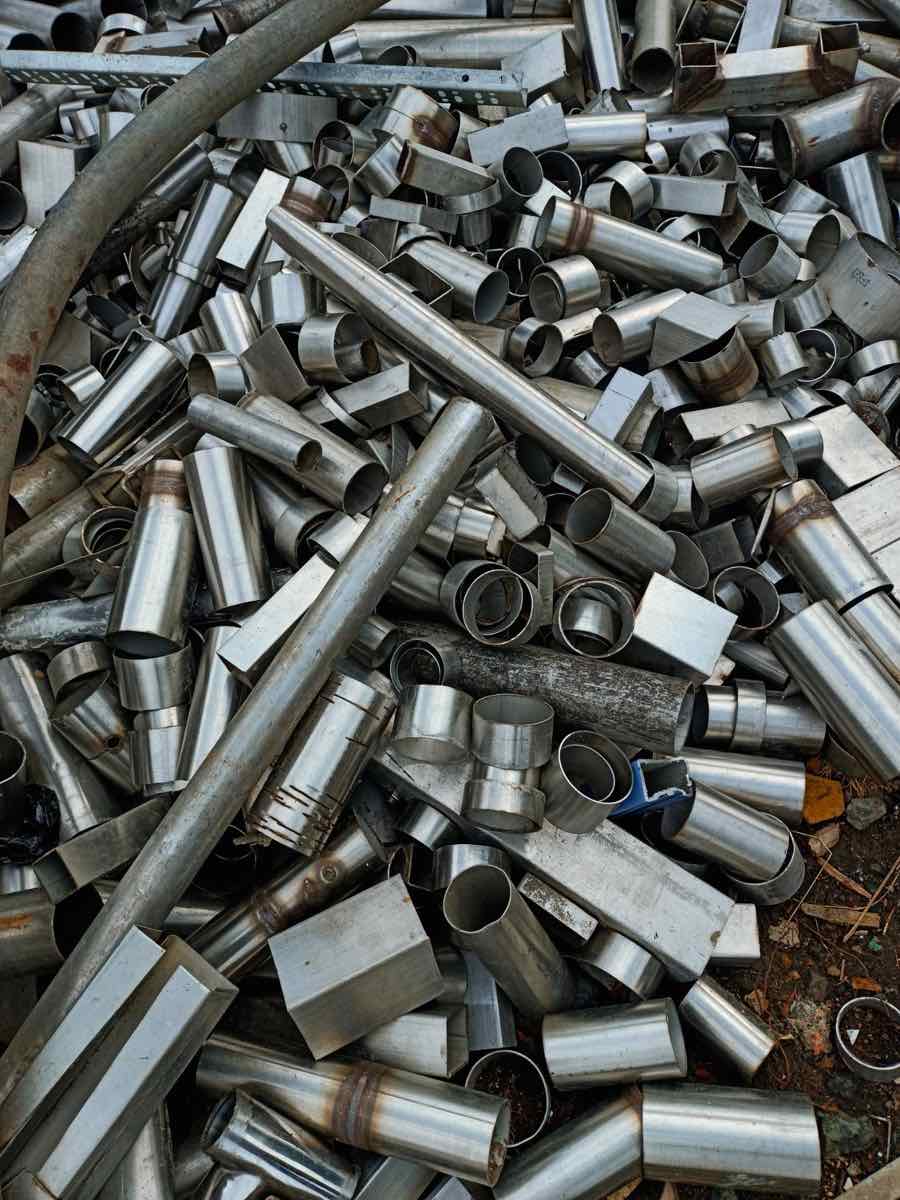
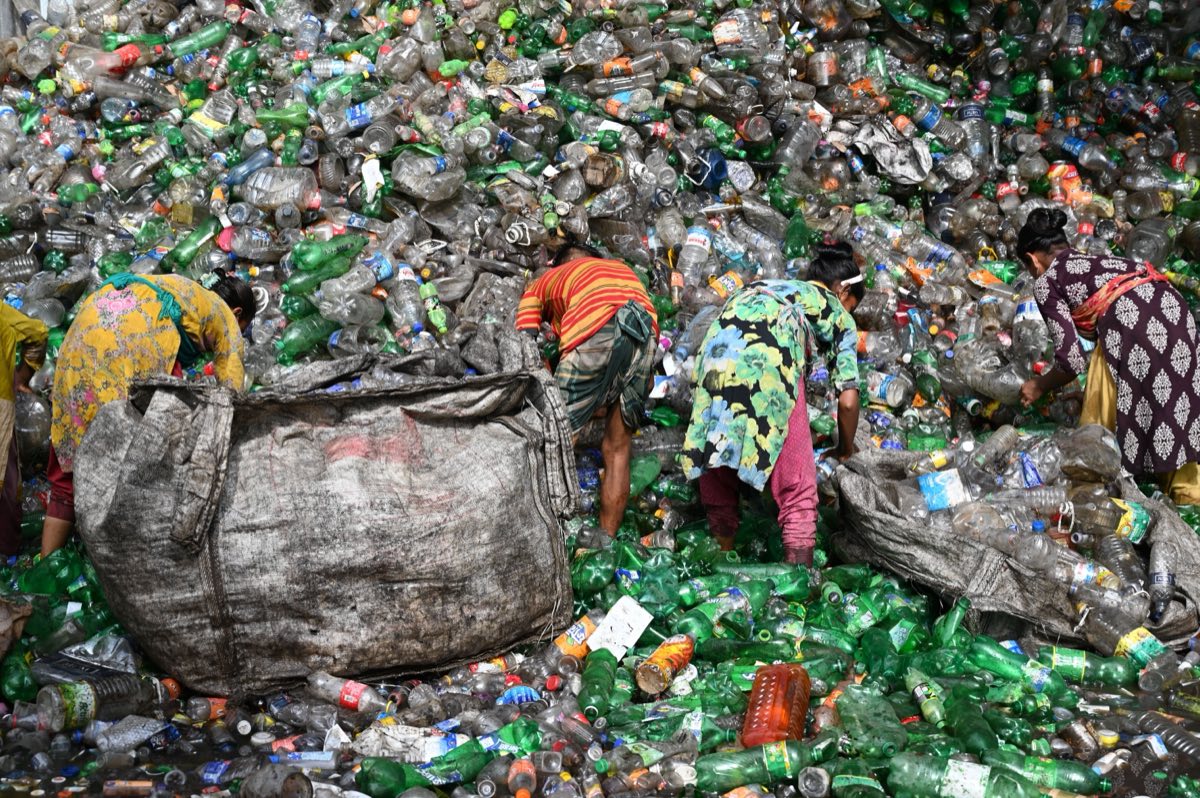
What we throw away is not a recycling problem. The metal in a discarded laptop was mined once, used for three or four years and buried, and most of its carbon was spent before it was ever switched on. Nothing moves either number except machines staying in use for longer.
- 62 Mt
- of electronics thrown away in 2022, heading for 82 Mt by 2030
- 22.3 %
- of it documented as properly collected and recycled
- $91 bn
- of metals buried with the rest: copper, gold, iron
Not a cleaner. Not a speed-up button. A record, kept honestly, that says so when something cannot be measured.
Global E-waste Monitor 2024, UNITAR and the ITU.
Tribograph is in free beta and we let people in a few at a time, so every question gets an answer. Take part and it stays free for you after it launches.
The belief
Packaging gets burned because nobody can prove what it is made of. A laptop gets replaced after four years because the battery feels tired and nobody can say whether that is actually true. Machines, materials, buildings, phones: the limit is rarely the physical thing. It is that the information needed to keep something in use either does not exist or sits somewhere nobody can act on.
We think that is the problem worth working on. Not recycling more, but knowing, item by item, what something is made of, how it is holding up, and what it would take to keep it going. Measurement first, because every honest decision after that depends on it.
What we want is unglamorous and quite large. We want people to expect the things they buy to last, and to know when they are being sold something that will not. We want companies to build for repair because the alternative has become the expensive option. We want throwing something away to feel like the failure it usually is.
None of that shifts through good intentions. It shifts when the information is there, in front of the person making the decision, at the moment they are making it. So we build the tools that put it there.
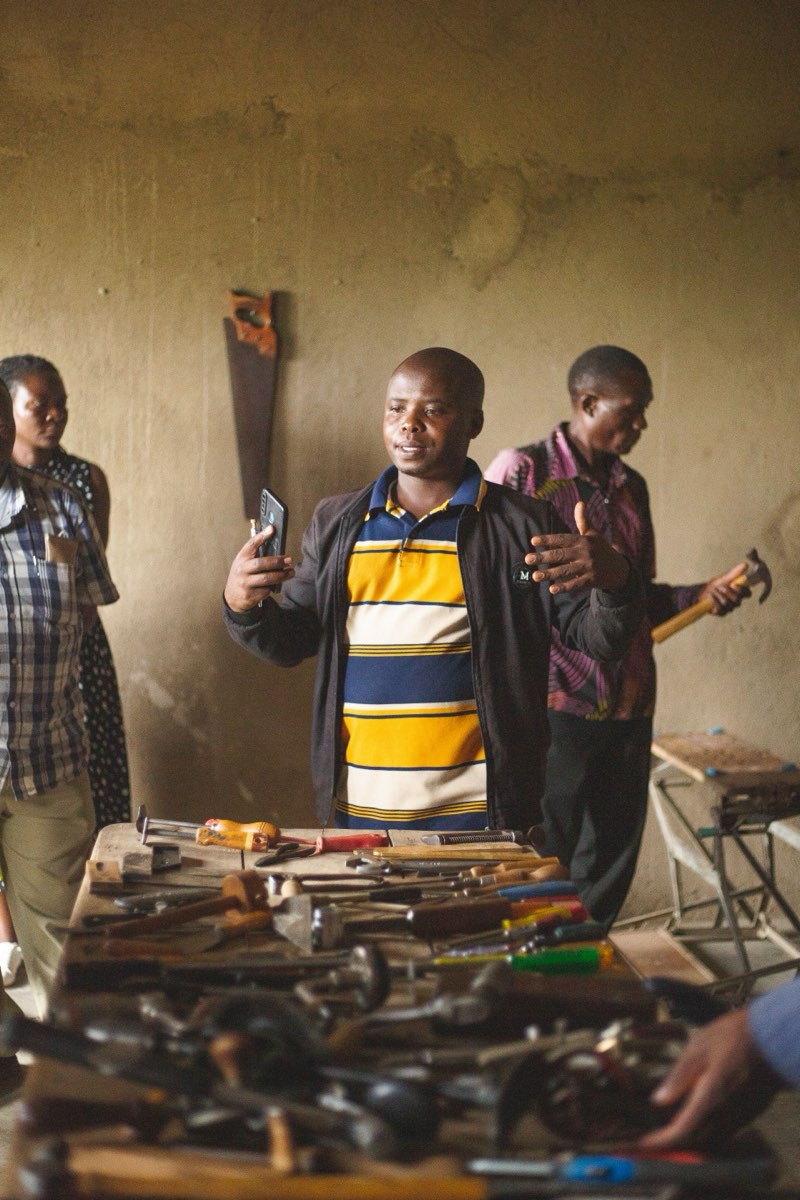
Where the work happens

Also from ClosedLoop
The rest of the work.
Article 7 readiness check
A free pre-check of one product against the recycled content rules in Article 7 of the EU Packaging Regulation, in English and German. It cites the article behind every result and says which requirements do not bind yet. A pre-check, not a compliance assessment.
Writing
The rules are new, widely misread, and mostly explained by people selling something. Working notes on circularity, regulation and measurement, published here as they are written.
What should we build?
What is stopping you?
Every tool on this page started as somebody's specific, irritating problem. A number nobody could produce. A form that could not be filled in honestly. A decision that could not be justified to a customer.
If something is keeping you or your company from being more circular, tell us what it is. Not a brief, not a specification, just the problem in your own words. If you already know what would fix it, better still.
We read everything and answer personally. Some of it will turn into the next tool, and the rest tells us what we have wrong.
Writing
Recent writing
ClosedLoop
Built in Europe. Used wherever the problem is.
ClosedLoop is the umbrella for this work. Tribograph is where most of it goes today; the packaging check and the writing came out of the same question and are still here. Each tool answers a specific problem for a specific person, and the company exists so that they add up to something rather than staying separate.
Europe is where we are and where the rules bite first, so it is where the packaging work starts. The habit underneath it, replacing things that were never finished, is not a European problem. Neither are the tools we build for it.